Cervical pain is a common complaint that affects millions of people around the world. Characterized by pain or discomfort in the neck area, cervical pain can disrupt daily life, hinder movement, and be a sign of underlying health conditions.
In this article, we will explore what the cervical region means medically, the most common causes of cervical pain, its symptoms, cervical collar usage, the anatomy of the cervical vertebrae and cervical spine, and include visual guidance with cervical images.
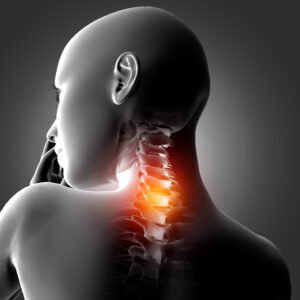
3D render of a female medical figure with neck bones highlighted
What Does “Cervical” Mean?
The term “cervical” refers to the neck region. In medical terminology, it usually means anything pertaining to the neck, specifically the cervical spine—an important part of the backbone that supports the head and allows for its movement.
The cervical spine comprises seven vertebrae, labeled C1 to C7, which make up the uppermost section of the spine. Each vertebra plays a vital role in both supporting the skull and protecting the spinal cord.
What Causes Cervical Pain?
Cervical pain, often called neck pain, can be triggered by various factors. The most common causes include:
Muscle Strain: Poor posture from long hours at a desk, holding your neck in an awkward position while talking on the phone, or even sleeping in the wrong position can strain neck muscles.
Degenerative Disc Disease:The cervical spine’s discs may degenerate or herniate with age, leading to nerve compression and pain.
Injuries and Trauma: Falls, whiplash from car accidents, or sports injuries can cause acute neck pain from damaged soft tissues or fractured vertebrae.
Arthritis: Osteoarthritis in the neck leads to joint deterioration, inflammation, and stiffness.
Herniated Discs: The gel-like center of a cervical disc may leak out and irritate or compress a nearby nerve root, producing pain and neurological symptoms.
Infections or Tumors: Although rare, infections such as meningitis or tumors in the cervical spine can provoke severe neck pain.
Repetitive Motion: Constantly performing repetitive tasks can overwork neck muscles and soft tissues.
How Cervical Causes Relate to Pain
The cervical region contains numerous nerves, blood vessels, muscles, ligaments, and the spinal cord. Compression, inflammation, or injury to these tissues often results in symptoms ranging from local pain to referred pain in the shoulders, arms, or even head (cervicogenic headaches).
Cervical Symptoms: Recognizing the Signs
Symptoms of cervical or neck pain can vary depending on the underlying cause. Common symptoms include:
Neck Pain or Stiffness: A dull, achy, or sharp pain that makes it difficult to turn or move your head.
Limited Range of Motion: Difficulty moving your head side to side, up or down, or tilting.
Headaches: Cervical pain is sometimes accompanied by tension headaches, particularly at the base of the skull.
Radiating Pain: Pain may extend into the shoulders, arms, or upper back.
Numbness or Tingling: Pinched nerves may cause tingling, numbness, or weakness in the arms or hands (known as cervical radiculopathy).
Muscle Spasms: Involuntary contractions in the neck muscles may occur.
Tenderness: The neck may feel sore to touch.
Seek medical attention if neck pain is severe, persists for several weeks, follows an injury, or is accompanied by neurological symptoms like numbness or coordination problems.
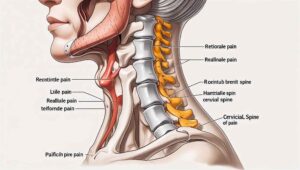
Cervical Images: Anatomy of the Cervical Spine
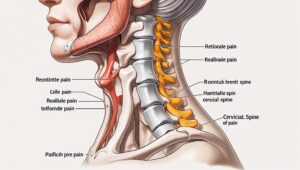
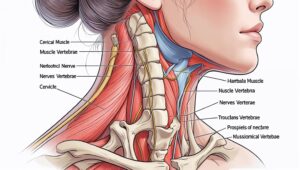
Image Description: Labeled diagram of the cervical spine, showing vertebrae C1 to C7, intervertebral discs, spinal cord, and main neck muscles.
Such images help patients and readers understand the structure of the cervical region and the importance of each vertebra in supporting movement and protecting nerves.
Cervical Collar: Uses and Benefits
A cervical collar (neck brace) is a medical device worn to support and immobilize the neck. A doctor may recommend a cervical collar in the following situations:
Neck Injuries: After trauma (e.g., whiplash), collars restrict movement to prevent further injury.
Post-Surgery: Collars provide support during the healing process after cervical spine surgery.
Severe Pain or Muscle Strain: Wearing a cervical collar temporarily can help relieve strain and promote healing.
Cervical Spondylosis: Collars can reduce pain and spasms in degenerative conditions.
There are different types of cervical collars: soft collars for mild injuries and hard collars for more serious conditions. They should not be used for long periods without a doctor’s advice, to avoid muscle weakness.
Cervical Vertebrae: The Building Blocks
The cervical spine consists of seven vertebrae:
C1 (Atlas): Supports the skull, allows nodding movement.
C2 (Axis): Enables rotation of the head.
C3-C7: Provide structure, flexibility, and protect the spinal cord.
Each cervical vertebra is uniquely shaped to facilitate specific movements of the head and neck, making this region of the spine extremely flexible but also susceptible to injury.
Cervical Spine: Structure, Function, and Significance
Structure
Seven Vertebrae (C1–C7): Form the cervical curve.
Joints and Discs: Allow for motion and absorb shock.
Ligaments and Muscles: Provide stability and movement.
Spinal Cord: Passes centrally within the vertebral canal.
Function
Mobility: Most flexible part of the spine; enables flexion, extension, rotation, and lateral bending.
Neurological Conduit: Protects the upper spinal cord and nerve roots, which control sensation and muscle function in the upper limbs and diaphragm.
Significance
Vital for Head and Neck Movement: Essential for daily activities, orientation, and communication.
Neurological Health: Damage may lead to serious consequences, including paralysis or loss of vital functions.
Susceptible to Injury: Biomechanical demands and mobility make it prone to trauma and degenerative disease.
Cervical Images: Description, Features, and Diagnostic Considerations
Description
Cervical images refer to radiological or visual representations (e.g., X-rays, CT scans, MRI) of the cervical spine and surrounding tissues.
Typical Features
Normal Anatomy: Seven vertebrae (C1–C7), intervertebral discs, preservation of disc height, and smooth alignment of the vertebrae.
X-ray Views: Lateral, anteroposterior (AP), and oblique views are standard. These reveal bone structure, disc spaces, and bony alignment.
CT and MRI: Provide detailed images of bones (CT) and soft tissue, nerves, spinal cord, and discs (MRI).
Diagnostic Considerations
Fractures and Dislocations: Look for vertebral body integrity and alignment disruption.
Degenerative Changes: Disc space narrowing, bone spur formation (osteophytes), facet joint disease.
Disc Herniation: Best visualized on MRI; disc bulges may compress nerves or the spinal cord.
Spinal Stenosis: Narrowing of the spinal canal; visible on imaging.
Tumors or Infection: Abnormal masses, bone destruction, or soft tissue swelling.
Treatment of cervical pain :
Medications: Over-the-counter pain relievers such as ibuprofen, naproxen, or acetaminophen are commonly used. For more severe pain, doctors may prescribe stronger NSAIDs, corticosteroids (oral or injected), muscle relaxants (like cyclobenzaprine), anti-seizure medications for nerve pain, or certain antidepressants.
Physical Therapy: A physical therapist can teach neck and shoulder exercises to improve strength, flexibility, and posture. Physical therapy may also include traction or posture training[1][5][7].
Home Care: Applying heat or cold packs for 15 minutes several times a day can help reduce inflammation and muscle tension. Massage and gentle stretchingmay also provide relief[4][6][7].
Other Non-surgical Treatments: These include transcutaneous electrical nerve stimulation (TENS), which uses mild electrical currents to reduce pain, and acupuncture[6][7].
Soft Cervical Collar: Sometimes, a soft collar is used for a short period to limit neck movement and allow muscles to rest. Prolonged use is discouraged to prevent muscle weakening[5].
– Injections: Steroid injections (such as cervical epidural blocks or facet joint blocks) can provide short-term relief, especially if nerve irritation is present. Radiofrequency ablation may be considered for chronic pain[5].
Surgery: Surgery is rarely needed, but may be considered if there is severe pain unresponsive to other treatments, or if there are neurological symptoms (like arm/leg weakness) due to nerve or spinal cord compression. Surgical options include removing herniated discs, bone spurs, or fusing vertebrae.
Lifestyle and Prevention:Maintaining good posture, taking breaks from prolonged sitting or device use, and performing regular neck stretches can help prevent recurrence.
Sources [1] Cervical spondylosis – Diagnosis & treatment https://www.mayoclinic.org/diseases-conditions/cervical-spondylosis/diagnosis-treatment/drc-20370792 [2] Cervical Spondylosis: What It Is, Symptoms & Treatment https://my.clevelandclinic.org/health/diseases/17685-cervical-spondylosis [3] Neck Pain: 6 Common Causes and Treatments https://my.clevelandclinic.org/health/symptoms/21179-neck-pain [4] Cervical Pain: Causes, Treatment and Prevention https://www.maxhealthcare.in/blogs/cervical-pain-symptoms-causes-and-preventing-tips [5] Cervical Spondylosis (Arthritis of the Neck) https://orthoinfo.aaos.org/en/diseases–conditions/cervical-spondylosis-arthritis-of-the-neck/ [6] How to Cure Neck and Cervical Pain? https://www.medanta.org/patient-education-blog/how-to-cure-neck-and-cervical-pain [7] Neck pain – Diagnosis and treatment https://www.mayoclinic.org/diseases-conditions/neck-pain/diagnosis-treatment/drc-20375587 [8] Cervical pain: causes, symptoms and treatment. … https://www.cun.es/en/diseases-treatments/diseases/cervical-pain [9] Neck pain – treatments, causes and related symptoms https://www.healthdirect.gov.au/neck-pain [10] Neck Pain Causes, symptoms, diagnosis, and Treatment https://www.youtube.com/watch?v=VIwAmfWgNzI
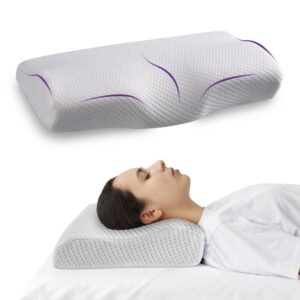
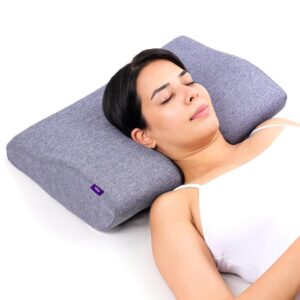
Contoured Ergonomic Design: Tailored to match the natural curvature of your neck, this pillow features an additional curve for optimal neck support, significantly reducing neck pain. Optimal Neck Support: Provides precise alignment for the head, neck, and upper lumbar region, diminishing spinal pressure. Its unique contoured design with a supportive neck curve fosters a healthy sleeping posture, ensuring you wake up without discomfort.
100% Memory Foam Construction: Made from high-grade 100% memory foam, delivering a perfect blend of softness and support. This durable foam maintains its integrity over time, resisting flattening for enduring comfort. Effective in Pain Relief: Ideal for neck and shoulder pain relief, upper back discomfort, and headaches. The contoured structure ensures a peaceful sleep by maintaining a relaxed position for the head, neck, and upper back.
Premium, Breathable Outer Cover: Equipped with a high-quality, removable, and machine-washable outer cover, offering enhanced breathability and easy maintenance.
Designed by Orthopedic Experts: Well-researched and Expertly designed, this pillow is the result of extensive research and design efforts, ensuring top-notch quality and effectiveness.
Durable Memory Foam Composition: Features orthopaedic memory foam that retains its shape over time, ensuring consistent, long-lasting support.
Ergonomic Design : Contoured shape supports the natural curve of the neck and spine. Promotes proper alignment and helps in reducing strain on neck muscles.
Premium Memory Foam : Made from high-density memory foam that conforms to your neck and shoulders. Provides superior comfort and long-lasting support.
Pain Relief : Helps in relieving neck and shoulder pain, tension headaches, and muscle stiffness. Helps with cervical spondylosis, arthritis, or recovering from injuries.
Breathable Cover : Breathable and hypoallergenic cover wicks away moisture for a comfortable sleep experience. Removable and machine-washable for easy maintenance.
Versatile Use : Suitable for back, side, and stomach sleepers. Use at home, during travel, or at the office for added neck support.
Improved Sleep Quality : Helps reduce snoring and sleep disturbances by keeping the airway open.
Compact and Travel-Friendly : Compact size makes it easy to take with you on trips.
Durable Construction : Constructed to withstand regular use without losing its shape or support
Conclusion
Cervical pain is a widespread condition arising from lifestyle factors, injury, or aging. Understanding the structure of the cervical spine, recognizing symptoms, seeking proper imaging (as advised by a doctor), and following recommended treatments like cervical collars are essential for neck health. If you experience persistent cervical pain or neurological symptoms, consult a healthcare professional for a detailed evaluation and personalized care plan.


About this item